

Sleep should leave you feeling restored, not exhausted before your day even begins. For some patients, persistent snoring, morning headaches, daytime fatigue, or restless sleep may be connected to a problem with nighttime breathing. At Bella Vista Family Dental, we help patients in South Carolina better understand how oral structures and airway function may contribute to sleep concerns. When appropriate, a custom oral appliance can provide a comfortable, noninvasive way to support better airflow during sleep and improve the quality of nightly rest.
Understanding Obstructive Sleep Apnea & Airway Health
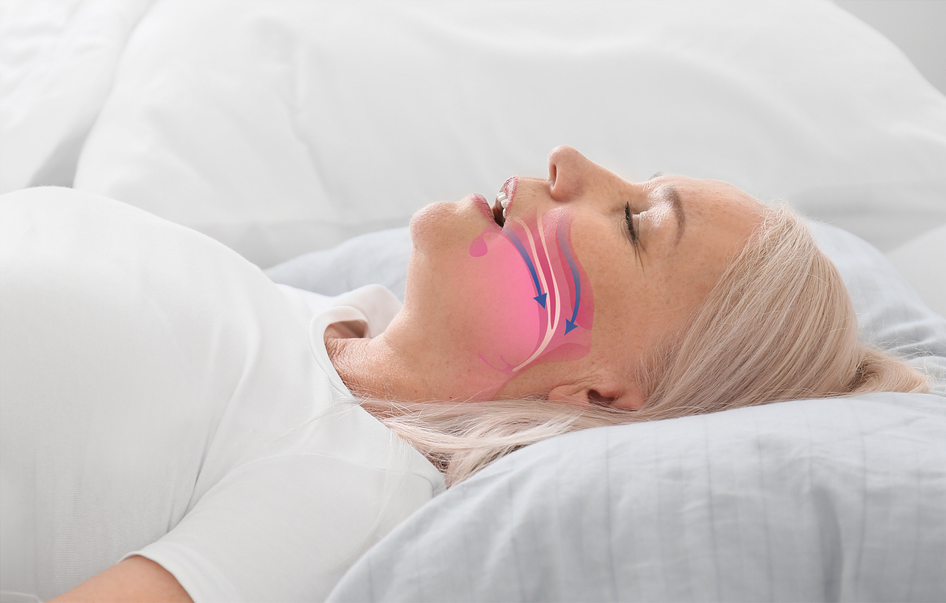
Obstructive sleep apnea occurs when the airway repeatedly becomes narrowed or blocked during sleep. As the muscles of the throat relax, the tongue and surrounding soft tissues can shift backward, reducing the amount of space available for air to pass.
These interruptions may happen many times throughout the night. Even when a person does not fully wake up or remember the episodes, the body can repeatedly move out of deeper stages of sleep in an effort to restore normal breathing. This fragmentation can prevent the restorative sleep needed for physical recovery, mental clarity, and healthy daytime function.
Dentistry can play an important role in airway health because the position of the jaw, tongue, palate, and surrounding oral structures can influence breathing space. Our role is to evaluate these factors carefully and determine whether dental sleep medicine may be appropriate as part of your broader care.
Common Signs & Symptoms Of Sleep Apnea
Sleep apnea does not always look the same from one person to another. Loud snoring is common, but some patients first become concerned because they consistently feel tired despite spending enough time in bed.
Possible warning signs may include:
- Loud or persistent snoring that occurs regularly.
- Gasping, choking, or pauses in breathing noticed by a sleep partner.
- Waking with a dry mouth or sore throat.
- Frequent morning headaches.
- Difficulty concentrating or feeling mentally foggy during the day.
- Excessive daytime sleepiness or low energy.
- Restless sleep or frequent nighttime waking.
- Irritability or changes in mood.
- Waking frequently to use the restroom.
These symptoms can have many possible causes, so they should not be used to diagnose sleep apnea on their own. A thorough evaluation and, when indicated, appropriate sleep testing can help determine what is actually happening while you sleep.

Snoring Vs. Sleep Apnea: What’s The Difference?
Snoring occurs when airflow causes relaxed tissues in the upper airway to vibrate. It can be disruptive to a partner and may indicate that air is moving through a restricted space, but snoring by itself does not automatically mean someone has sleep apnea.
The key difference is what happens to breathing. With obstructive sleep apnea, airflow is repeatedly reduced or temporarily stopped. These episodes can lower oxygen levels and cause brief arousals that interrupt the normal sleep cycle.
Someone may snore without having sleep apnea, while another person with sleep apnea may not recognize how serious the breathing interruptions have become. If snoring is accompanied by gasping, witnessed pauses in breathing, significant daytime fatigue, or other concerning symptoms, additional evaluation is especially important.
How Sleep Apnea Can Affect Your Overall Health
Healthy sleep is closely connected to the way the rest of the body functions. When breathing is repeatedly interrupted during the night, the body may experience changes in oxygen levels, stress responses, heart rate, and sleep quality.
Untreated obstructive sleep apnea has been associated with an increased risk of several health concerns, including high blood pressure, cardiovascular problems, stroke, metabolic conditions, and difficulty with attention or memory. It may also contribute to daytime drowsiness, which can affect work performance, driving safety, and overall quality of life.
For many patients, one of the most noticeable effects is simply never feeling fully rested. They may sleep for seven or eight hours but still wake feeling as though they barely slept. Addressing the underlying breathing problem can help support not only better sleep, but also more consistent daytime function.
Evaluating Your Airway & Sleep Concerns
An effective sleep apnea treatment plan begins with understanding the complete picture rather than focusing only on snoring. At Bella Vista Family Dental, we consider your symptoms, sleep history, oral anatomy, jaw position, and other relevant factors when evaluating whether oral appliance therapy may be appropriate.
Your visit may include an examination of the teeth, bite, jaw joints, tongue, palate, and other structures that can affect the available airway space. We may also discuss symptoms such as fatigue, headaches, dry mouth, restless sleep, or observations made by a spouse or partner.
A dentist does not independently diagnose obstructive sleep apnea based on an oral examination alone. When sleep apnea is suspected, appropriate medical evaluation and diagnostic sleep testing may be needed to establish a diagnosis and determine the severity of the condition. Coordinating this information allows treatment to be selected more thoughtfully.

Oral Appliance Therapy For Sleep Apnea
For certain patients with obstructive sleep apnea, a custom oral appliance can help maintain a more open airway during sleep. The appliance fits over the teeth and gently positions the lower jaw in a way that helps keep the tongue and surrounding tissues from collapsing backward into the airway.
Unlike over-the-counter devices, professionally made appliances are created specifically for your bite and oral anatomy. Careful customization is important because the appliance must balance airway support with comfort, jaw health, and long-term stability.
Many patients appreciate oral appliance therapy because it is compact, quiet, and relatively simple to travel with. There are no masks, hoses, or bedside machines involved. The appliance is worn while sleeping and removed in the morning, making it a practical option for appropriately selected patients who prefer a less cumbersome approach.

Oral Appliances Vs. CPAP Therapy
Continuous positive airway pressure, commonly called CPAP, remains an important and highly effective treatment for many patients with obstructive sleep apnea. It works by delivering pressurized air through a mask to prevent the airway from collapsing while a person sleeps.
Oral appliances work differently. Rather than using air pressure, they help reposition the lower jaw and related tissues to improve airflow. Their effectiveness depends on factors such as the severity of sleep apnea, airway anatomy, oral health, treatment goals, and how consistently the appliance is worn.
For some patients, CPAP may be the most appropriate treatment. Others may benefit from oral appliance therapy, particularly when their sleep physician recommends it or when CPAP has been difficult to tolerate. The goal is not to treat one option as universally better than the other. The most effective treatment is the one that is medically appropriate and can be used consistently.
Maintaining & Adjusting Your Sleep Apnea Appliance
Receiving a custom appliance is the beginning of treatment, not the final step. Follow-up care allows us to evaluate fit, comfort, jaw response, and how the appliance is functioning over time.
Many appliances are designed to allow gradual adjustments. Small changes in jaw position may help improve airway support while minimizing unnecessary strain on the teeth or jaw joints. These adjustments should be made carefully rather than aggressively, since more advancement is not always better.
Routine visits also allow our team to inspect the appliance for wear, evaluate changes in your bite, and discuss any new symptoms. Daily cleaning and proper storage help keep the device fresh and protect its materials.
Depending on your diagnosis and treatment plan, follow-up sleep testing may also be recommended to determine how effectively the appliance is controlling nighttime breathing disruptions. Objective testing is important because feeling better can be encouraging, but symptom improvement alone does not always show how well sleep apnea is being managed.
Take A More Thoughtful Approach To Better Sleep & Breathing
At Bella Vista Family Dental, sleep apnea care is approached with the same attention to detail we bring to the rest of your oral health. We look beyond snoring alone, consider how your airway and dental anatomy work together, and help coordinate the information needed to determine whether an oral appliance is appropriate.
For patients in South Carolina who are exploring alternatives or complements to traditional sleep apnea treatment, our team can help you understand the dental options available and what ongoing care involves. The goal is a treatment approach that supports healthy breathing, comfortable sleep, and long-term oral health without losing sight of the individual needs behind the diagnosis.